

Meet Our Team
Who We Are
Gifted Development Center is a collective of individuals working towards the shared goals of supporting giftedness throughout the lifespan and building awareness and support of the gifted community.
We are a multidisciplinary team of examiners, specialists, research affiliates and more. People join us from across the United States and internationally to work towards our mutual goals.
Please reach out to us with any questions you have. We are here to help.
FOUNDER

-
Founder
Linda Kreger Silverman, PhD, is a licensed clinical and counseling psychologist. She directs the Institute for the Study of Advanced Development, and its subsidiary, the Gifted Development Center (GDC) in Westminster, Colorado, which has assessed over 6,600 children in the last 47 years. This is the largest data bank on the gifted population. She and her colleagues at GDC have developed 40 instruments, including the Checklist for Recognizing Twice Exceptional Children. For nine years she served on the faculty of the University of Denver (DU), in Counseling Psychology and Gifted Education. She founded the only juried psychological journal on adult giftedness: Advanced Development. She developed a course on Assessment of the Gifted at DU, which was also a short course taught abroad. She has been studying the assessment, psychology and education of the gifted since 1961 and has written over 500 articles, chapters and books, including the textbook, Counseling the Gifted and Talented, adopted at 50 colleges. Her latest book, Giftedness 101 (Springer, 2013) has been translated into Swedish, and Korean, Japanese, and Portuguese.
EXAMINERS

-
Examiner and Editor, Advanced Development journal
Nancy B. Miller, PhD, is a social psychologist and editor of Advanced Development, a journal on adult giftedness. She does research and testing at the Gifted Development Center in Westminster, Colorado. She has taught sociology at the University of Denver and the University of Akron. For many years, she served as Executive Officer of Sociologist for Women in Society. She discovered Dabrowski’s theory as a graduate student and developed a coding system to assess levels of emotional development. She has worked and published with Dr. Linda Silverman and Dr. Frank Falk for over 30 years. Her publications focus on emotional development, gender and giftedness, social support and adjustment to stressful life events, and family processes and child outcomes. In 2019 she published “Research at the Gifted Development Center” in the Polish Journal Psychologiczne Zeszyty Naukowe [Scientific Journal of Psychology] 2/2018: 29-39

-
School Psychologist; Examiner
Ann W. DeMers, M.A., Associate, holds Master's degrees in Special Education and School Psychology. She retired from Jefferson County Public Schools with 31 years of experience as a special educator, classroom teacher and school psychologist. Ann’s background includes teaching conflict resolution, anger management and social skills. She has training and experience with students who are Twice Exceptional. Ann has been an examiner at the Gifted Development Center since 2003. When not working with kids and families at the GDC, Ann will often be found hanging out with her grandsons, reading, traveling, or working in her garden. She volunteers at Ralston House, an advocacy center for children victimized by abuse, is an elder at her church, and is a past recipient of the Jefferson County Celebrate Women Award. Ann loves getting to know and spending time with the kids and families who come to GDC.

-
Helen McVicar, MBA, Associate, is licensed by the Colorado Department of Education as a School Psychologist. She recently retired after 21 years working in Jefferson County Public Schools conducting comprehensive assessments and writing IEPs and 504 Plans, and providing mental health services, crisis management, applied behavior analysis and consultation. She has worked for GDC as an Associate since 1997 providing assessments of gifted children and young adults. Helen holds an MBA in Industrial/Organizational Psychology from City University of New York and completed a Post-Masters Licensure Program in School Psychology at Marywood University. As she has become more interested in twice-exceptional and learning disabilities, Helen completed the School Neuropsychology Post-Graduate Certification Program in 2006 and received a Diplomate by the American Board of School Neuropsychology. In addition to cognitive, academic and social/emotional assessment, she can also consider dyslexia, writing and math disabilities, and aspects of attention, memory and executive functioning.

-
Heather is a licensed school psychologist (SSP), licensed professional counselor (LPC), and nationally certified school psychologist (NCSP). She earned her Bachelor of Science degree in Psychology from the University of Scranton in Pennsylvania and her Educational Specialist degree in School Psychology from Rider University in New Jersey. Heather has contributed significantly to the field, serving as a board member for the Colorado Society of School Psychologists as the Independent Practice Chair. She has also been involved at the state level, participating in the Colorado Department of Education's Mental Health Advisory Committee and the Serious Emotional Disability Taskforce. With over 14 years of experience as a school psychologist in Colorado public schools, Heather has spent five of those years identifying gifted children and developing programs for them within regular school settings. She also runs a private practice where she conducts psychoeducational evaluations. As a parent, she brings a personal understanding to her professional work. She understands the challenges faced in both home and school environments.

-
Licensed Child & Adolescent Psychologist, Founder 2e Psychology
Dr. Amy Molina, founder of 2e Psychology, and Dr. Linda Silverman, founder of Gifted Development Center, have formed a partnership. Amy diagnoses gifted children with ADHD, ASD, and the behavioral and social-emotional characteristics that accompany many learning differences. Her practice is located in Fort Collins, Colorado. We will be referring clients who need Amy’s special expertise to her office for assessment. This partnership is the first step of Linda’s succession plan.
In September, Amy expressed her interest in joining our team at Gifted Development Center. She is passionately interested in evaluating gifted and twice exceptional children. Amy believes that our assessments at GDC are unique, and she wants to continue our legacy. Amy will be conducting Initial Consults and assessments for our clients in 2025.
Consultants

-
FamilyLiaison/Fundraising Coordinator
Cheri Miranne is a graduate of Loyola University of the South with a B.S. in Medical Technology, Biology and Chemistry. She grew up in New Orleans until 22 when she married and moved to Connecticut. It didn’t take long for her to discover that she was ill suited for hospital work, as she could not bear the suffering of the patients. She had years of experience in sales of all kinds and eventually started her own retail shop in North Carolina until she landed in Santa Fe, New Mexico. She worked 12 years in art jewelry sales and eventually ended up with a large art gallery in Cimarron, New Mexico.
In New Mexico, Cheri became passionate about spiritual growth and personal development. This is when she met Hilton Silverman, a psychic healer who was married to Dr. Linda Silverman. They became friends for over 40 years until he passed away. She and Linda maintain a deep friendship to this day. She volunteered at Gifted Development Center when she was in Colorado and eventually became the FamilyLiaison/Fundraising Coordinator. She has been involved for 23 years in some capacity at GDC, especially collaborating on the newsletter for the last decade. She was also instrumental in the development of what is now “The Powell Scholarship Fund.”
She presently resides in North Carolina where her two daughters and five grandchildren live. She makes several trips a year to personally reconnect with her Colorado family.
-
Volunteer Development Consultant
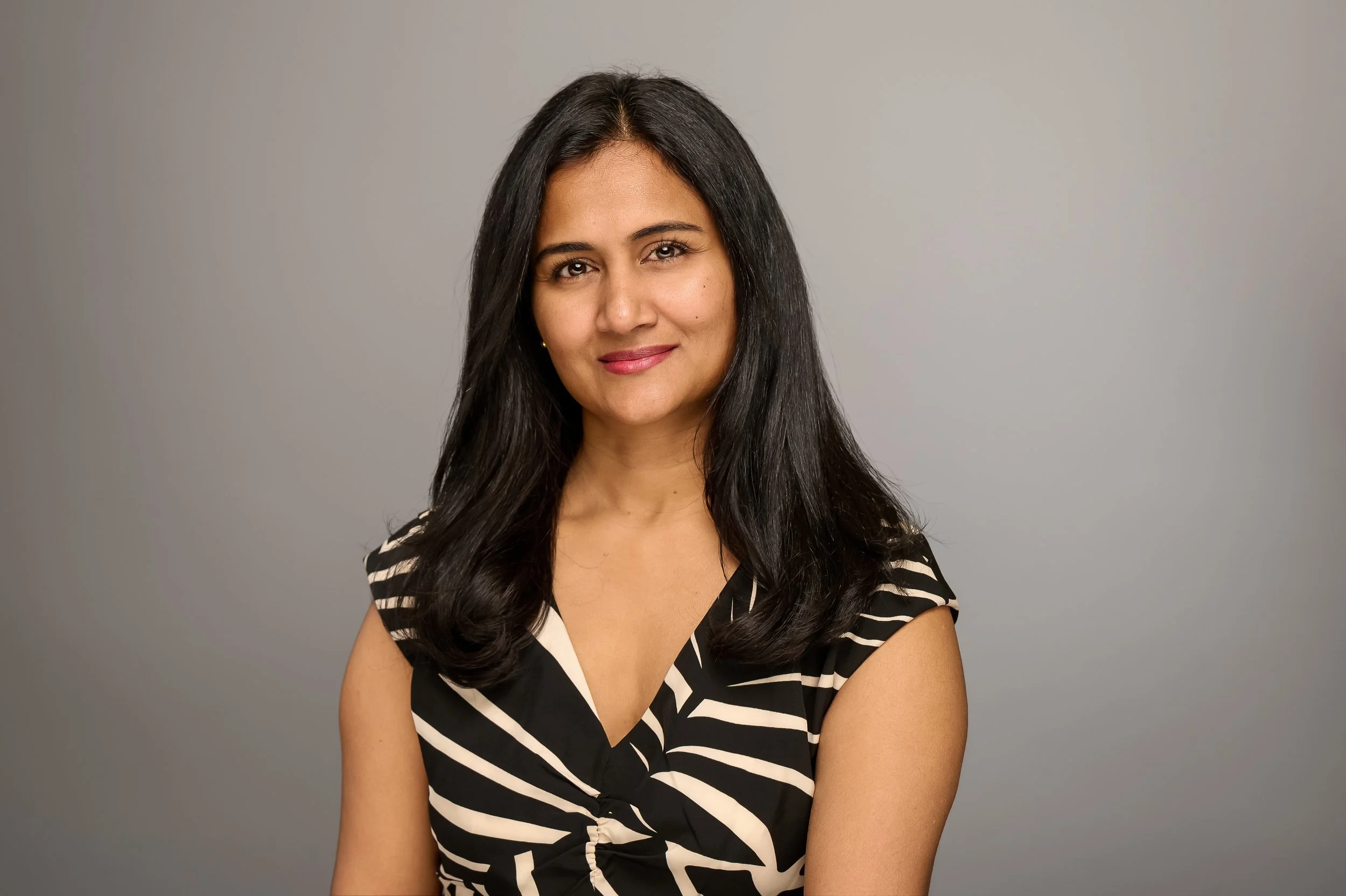
Kavya Velagapudi serves as a Volunteer Development Consultant for Gifted Development Center, bringing more than 20 years of experience in nonprofit fundraising and organizational management. She has worked with a wide range of mission-driven organizations to strengthen development strategy, build sustainable revenue, and increase organizational capacity. She is the Executive Director and a Board Member of the Neuroendocrine Cancer Foundation, a national patient advocacy organization dedicated to educating, supporting, and connecting individuals affected by neuroendocrine cancer. She's also the Development Director of the Fernando Pullum Community Arts Center.
Kavya holds a Master’s degree in Social Welfare with a concentration in Nonprofit Administration and Policy Advocacy, offering a strong foundation in development, management, and systems-informed practice. Her background includes roles such as Development Director of the International Museum of Women—now part of the Global Fund for Women—in San Francisco, and Western Region Director for Starlight Children’s Foundation in Los Angeles, where she oversaw development, communications, and program services.
Through her independent consultancy, Kavya provides strategic fundraising support to nonprofit organizations aligned with her values. She is honored to contribute her expertise to Gifted Development Center in support of its mission and community.
SUPPORT
-
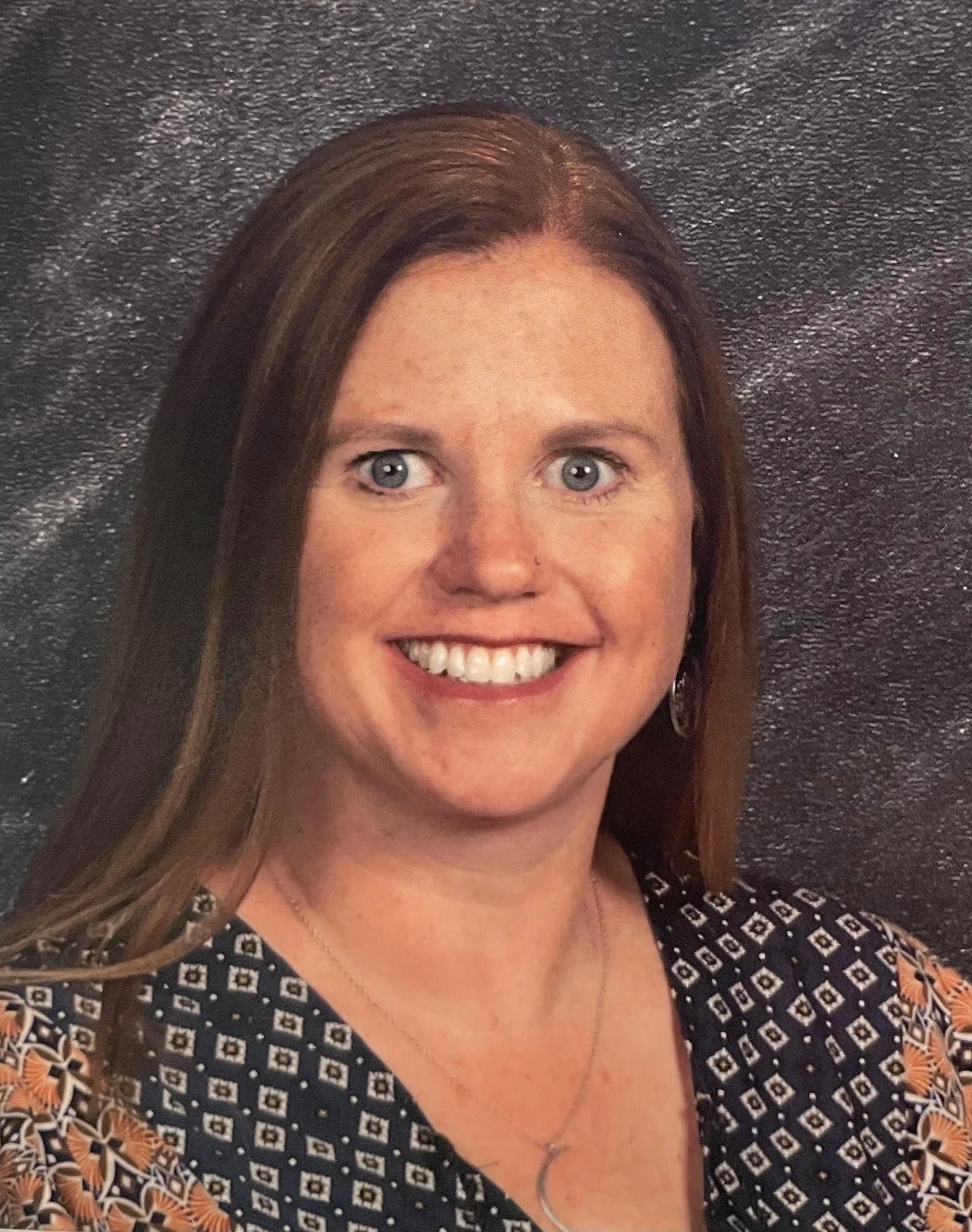
Suzanne is an administrative professional and former educator with experience teaching at both the early childhood and elementary levels. She holds a Bachelor’s Degree in Communication from the University of Colorado Boulder and a Master’s Degree in Elementary Education from Regis University. Suzanne previously taught at several schools within the Adams 12 Five Star Schools District and at a private preschool in Westminster.
Her background also includes managing paint-your-own-pottery studios, where she led art classes for children of all ages. This experience deepened her passion for helping children grow, explore, and express themselves creatively. She believes that learning flourishes when people feel valued, inspired, and connected to something meaningful.
Suzanne is excited to join the Gifted Development Center as Office Manager and Executive Assistant, where she looks forward to continuing her professional growth and contributing to the center’s mission. She is dedicated to making a positive difference in the lives of children and their families.

-
Equality & Inclusion Specialist
Dr. Vanessa Ewing, Ph.D., Associate, received her Ph.D. in Educational Psychology with an emphasis in Individual Differences in Cognition. Over more than 20 years, she has served as a principal and vice principal, preschool—middle school teacher, and academic advisor for gifted and twice exceptional children. Recently, Vanessa worked as a Gifted/Talented Instructional Specialist within Denver Public Schools, working across schools. Vanessa also designed, coordinated and served as a lead instructor for an online Master’s Degree program for teachers at the University of Colorado, Colorado Springs, leading to licensure in gifted education. Her passions include working with gifted early childhood students, as well as developing academic and social plans for gifted and twice-exceptional students.
At the GDC, her previous work focused on assessing applicants for admission to The Hope Academy, an early childhood program for diverse gifted learners. Current work with the GDC includes providing resources, training, and support for twice-exceptional learners and those from under-identified and under-served communities. When not immersed in the field of giftedness, Vanessa enjoys volunteering, playing with her son, reading, painting, writing, and traveling.

-
Director of Professional Education
Joi Lin serves as the Director of Professional Education for the Gifted Development Center, where she helps organize professional learning workshops and webinars for professionals working with gifted children and gifted adults. She has a BS in mathematics, an MA in industrial and organizational psychology, and a PhD in curriculum and instruction, specialized in gifted education leadership. Joi is a multiracial, multicultural, profoundly gifted, woman of color who lives in Littleton, Colorado. She is a former math teacher who works as an adjunct professor of gifted education in the Teacher Education Program at the University of Denver. She serves as a board member for SoulSpark Learning, and chairs the Education and Gifted Youth committee at the Mensa Foundation. Joi has presented at CAGT, NAGC, SENG, WCGTC, and several other conferences to support the career development and wellbeing of the gifted, and the professionals who support the gifted.
-
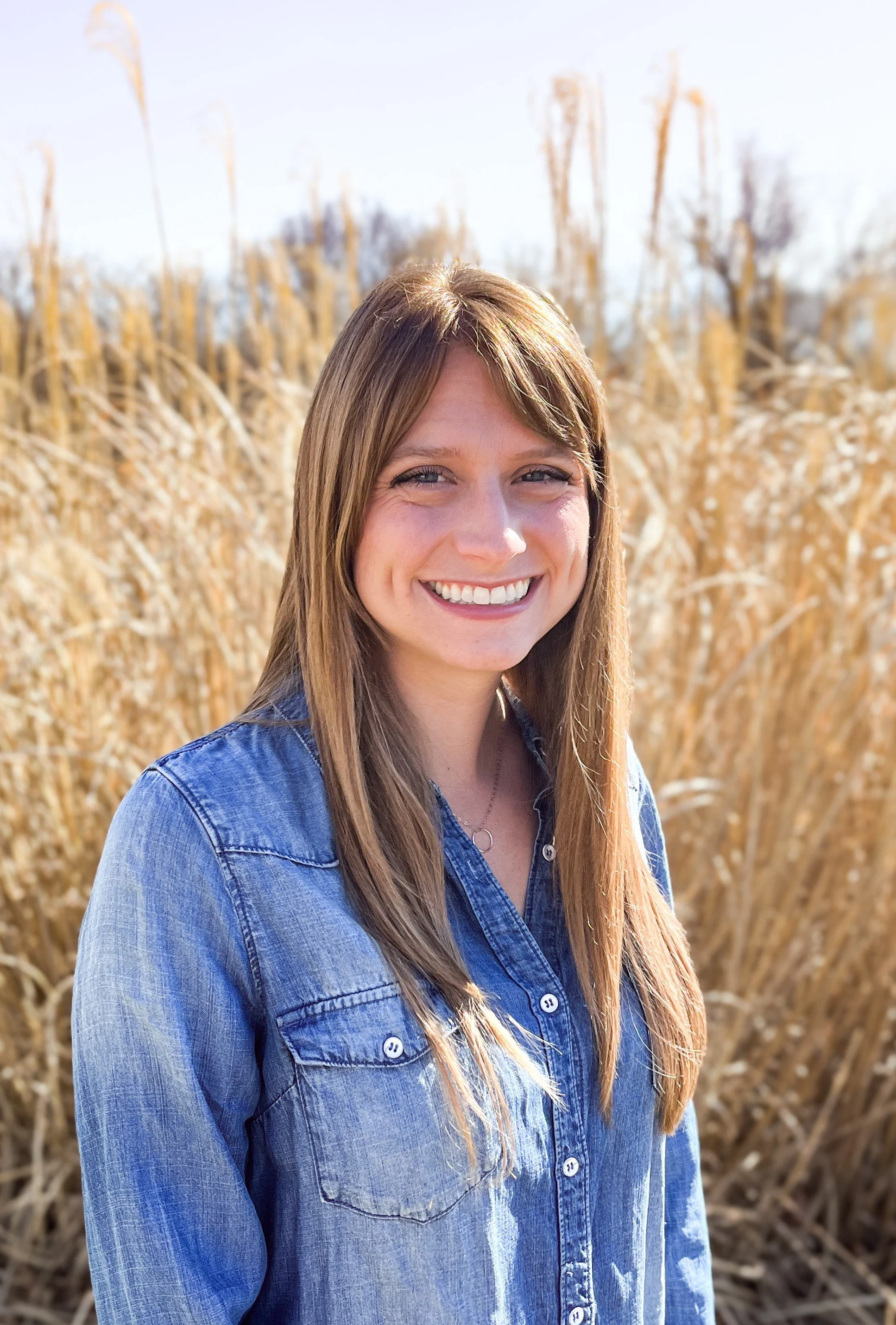
Allison Renkoski is a former educator who has spent over ten years teaching elementary and early childhood students in Missouri, including, in recent years, teaching and managing an elementary gifted program.
In her classroom and leadership roles, Allison has been dedicated to creating learning environments nurturing curiosity and creativity in addition to academic growth. Throughout her career, Allison has been fueled by her passion for education and a strong belief that every learner deserves learning opportunities tailored to their strengths and interests. This conviction, combined with her positive, personal experience with gifted services and a recognition that exceptional children are often misunderstood in schools, motivated her to achieve a Master’s degree in Gifted Education in 2017. Since then, Allison has been a vocal advocate for gifted learners, collaborating with educators statewide, teaching classroom teachers about the unique profiles of gifted students and developing curriculum specifically tailored to gifted students’ intellectual and social-emotional needs.
Allison is thrilled to continue contributing to the gifted education field through Gifted Development Center. She is excited to expand GDC’s outreach through communications and to continue supporting families in advocating for learners who think differently, learn deeply, and perceive the world through a gifted lens.
-
OFFICE MANAGER IN TRAINING
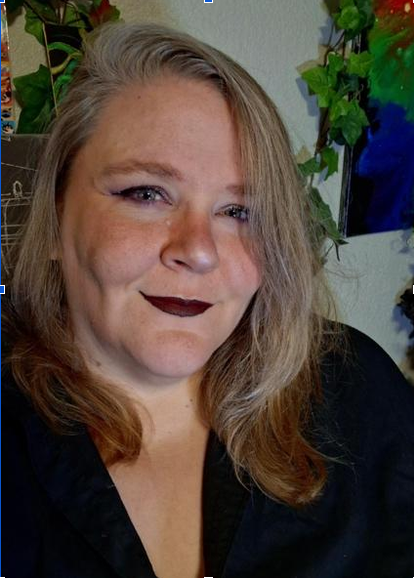
Kels Theisen is a lifelong Colorado native and an administrative professional with eight years of experience in office management. Kels comes to us from working in the medical industry where they most recently were the office manager for a sports medicine chiropractor. Kels’ experience in administration has been spent not only in the medical industry, but also within the legal field working for a probate and estate planning firm. They hold an Associate of Arts and a Certificate of Medical Office Mangement.
Their background includes being head pastry chef for a small bakery, where they made custom wedding cakes and cakes for special occasions. Kels has also spent a lot of time through the years working at their local community theatre as technical crew and stage management. Working in theatre gave them the opportunity to stretch their artistic talents and utilize the skills they had developed in special effects makeup and set design to help bring so many shows to life. These eclectic experiences have shaped them into the person they are, and has created an appreciation for all the hard work that happens behind the scenes.
Kels is a twice exceptional individual themself and when asked about why they wanted to be a part of Gifted Development Center and our mission here, their answer was simple.
“I am excited to be a part of something that can give others who are twice exceptional those resources that will help them navigate through life and that it is something I wish I had access to as a child.”
STAFF COUNSELOR

-
Jennifer Cooper, LPCC, serves as the Staff Counselor at the Gifted Development Center. Her therapeutic approach is trauma-informed and neurodiversity-affirming, grounded in the belief that growth and healing happen through safe, supportive connection. Jennifer holds Master’s degrees in both Speech-Language Pathology and Clinical Mental Health Counseling, and she specializes in counseling gifted and twice-exceptional teens and adults, as well as those navigating trauma, perinatal mental health challenges, and spiritual harm.
Jennifer has had the privilege of providing counseling to teens, adults, and couples in diverse settings. In addition to her work with gifted individuals at GDC, she has provided trauma-informed care at a private practice in Colorado, walked alongside teen mothers at Hope House, and supported expatriates overseas. Across these contexts, she has witnessed the profound transformation that occurs when individuals are truly seen, supported, and given space to heal.
Jennifer offers both in-person and telehealth counseling from her office within GDC, tailoring her work to the nuanced needs of the gifted and neurodiverse community. To learn more about her background, approach, and how she might support you or your family, please visit her website.
RESEARCH

-
Director of Research for Gifted Development Center/Institute for the Study of Advanced Development (GDC/ISAD).
Rick is a distinguished educator and psychologist who holds multiple professorships at Purdue University. With a PhD in Educational Psychology, he specializes in Giftedness and Talent Development. Formerly a Department Chair and Associate Provost at the University of Houston, Rick has presided over various educational organizations, including as past president of NAGC. An accomplished author, he’s penned over 100 publications, earning accolades for books such as Social-Emotional Curriculum with Gifted and Talented Students. His research spotlights the importance of “hope” in holistic student development, emphasizing his commitment to understanding twice exceptional students.
In 2024, as a guest editor for Roeper Review on “Often Overlooked Multiple Exceptionalities,” Rick invited Linda Silverman to contribute an article on “The Overlooked Role of Modalities in Multi-Exceptional Children.” Rick will be replacing the late Dr. R. Frank Falk, who served as Director of Research since our inception. Research proposal guidelines and confidentiality agreements were developed to enable graduate students and researchers to have access to the data.
Rick will be approving research proposals, supervising research interns, preserving and digitizing the database, publishing articles and presenting research papers at conferences based on the data, securing grants, and responding to international inquiries regarding research findings.
-
Research Coordinator
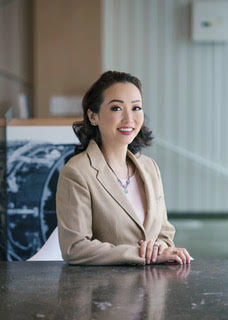
Lin Lim brings a unique blend of academic expertise and practical experience to her work. She holds a Ph.D. in Human Development Psychology specializing in attitudes and behavior through a dynamic systems approach. Her academic and research focus centers broadly on positive, strength-based whole-person approaches to learning, wellbeing, and productivity; with expertise in translating research into practical applications. Dr. Lim's interdisciplinary approach bridges theory, empirical research, and real-world applicability. She is a published author in various fields spanning education, parenting, young children and human development, cognitive diversity and Autism Spectrum Disorder. She holds leadership roles in gifted education non-profits and is an active researcher and presenter at national and international professional conferences. She is currently the Dean of Certificate Students at Bridges Graduate School of Cognitive Diversity in Education and a 2025 UCLA Executive MBA candidate with specializations in leadership, technology management, and marketing. Connect with her on linkedin.com/in/linlimgoh.

-
Director of Visual-Spatial Learner Identifier Project.
STEVEN C. HAAS, M.A., MPA, has worked in gifted education as a Gifted and Talented Resource Consultant, mentor, classroom teacher, Advanced Placement instructor, school administrator, researcher, and middle school principal. For twenty-five years, Mr. Haas has served as Project Director for the Visual-Spatial Identifier Project, coordinating the development and validation of the Visual-Spatial Identifier©. Within the National Association for Gifted Children (NAGC), he is actively engaged with the Javits-Frasier Scholarship Committee, the Diversity and Equity Committee, and the Native American Alaska Native Indigenous Peoples Special Interest Group.
He also is Associate Director of the Indigenous Students Leap Ahead (ISLA) Project, which supports teachers through programming and instruction to reach underserved populations of gifted Native American children in schools and school districts on and off reservations across America.
Steve is a frequent presenter at conferences of the Colorado Association for Gifted and Talented, NAGC, the World Council for Gifted and Talented Children, the National Indian Education Association, and the Native American Student Advocacy Institute of the College Board on a wide range of topics including teaching gifted visual-spatial learners, creativity, perfectionism, acceleration, and the needs of Native American children.
AFFILIATES
-
GDC’s liaison to Italy
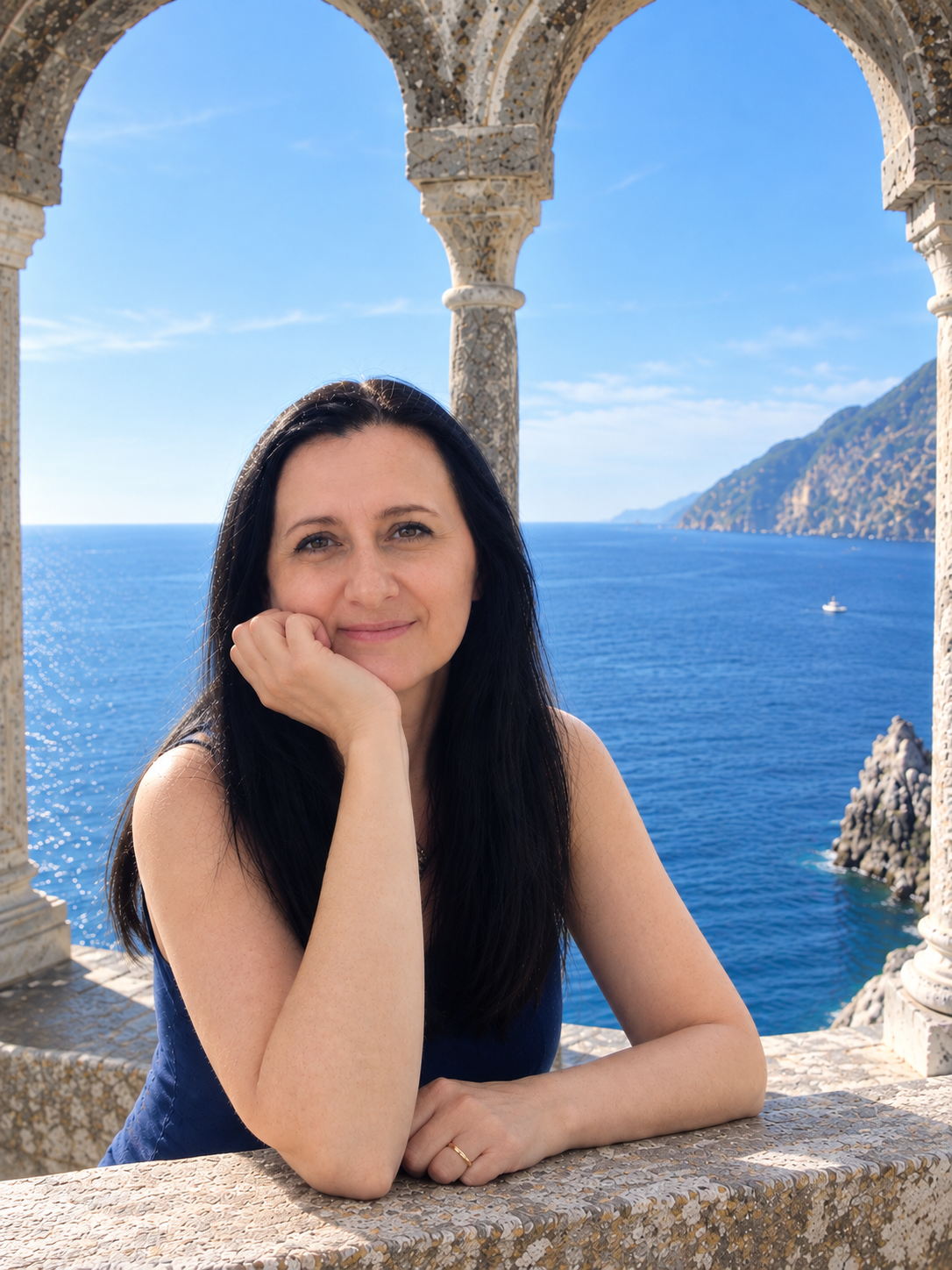
Francesca’s interest in the study of giftedness sparked in the late 2000s, when she realized her infant child was clearly on an extraordinary developmental trajectory. Her curiosity soon led her to Linda Silverman’s work, which she immediately felt opened a window on the fascinating intricacies of her son’s worldview. It was at that time that Francesca — a few years into her new adventure, having left her previous life in Italy and moved with her husband to the United States — started devoting all her free time to the study of Dr Silverman’s “child-centered” approach.
Through the years, Francesca deepened her knowledge and understanding of the GDC’s perspective by studying the literature and participating in courses and seminars. In 2019, she launched the blog Gifted Italia, through which she systematically introduced the Gifted Development Center’s approach to giftedness to an Italian audience that was little aware of it, also because of the language barrier. She later began hosting webinars and online meetings — open to families, teachers, and psychologists — where the GDC’s view of giftedness is presented and discussed. Francesca eventually connected with Dr Silverman and started publishing on Gifted Italia authorized translations of some of her writings, marking the beginning of a collaboration that a mom — curious to understand the extraordinary inner world of her beloved child — would not even have dared to dream of, 15 years before!
Balancing her day job as a linguist in the localization and translation industry with her content creation activity and the support to Italian families and professionals, Francesca is proud to have been nominated by Dr Silverman the GDC’s official liaison to Italy. In this role, besides continuing to promote the GDC’s perspective to the Italian public, she provides translations and facilitates the center’s collaboration with Italian institutions, researchers and professionals.
-
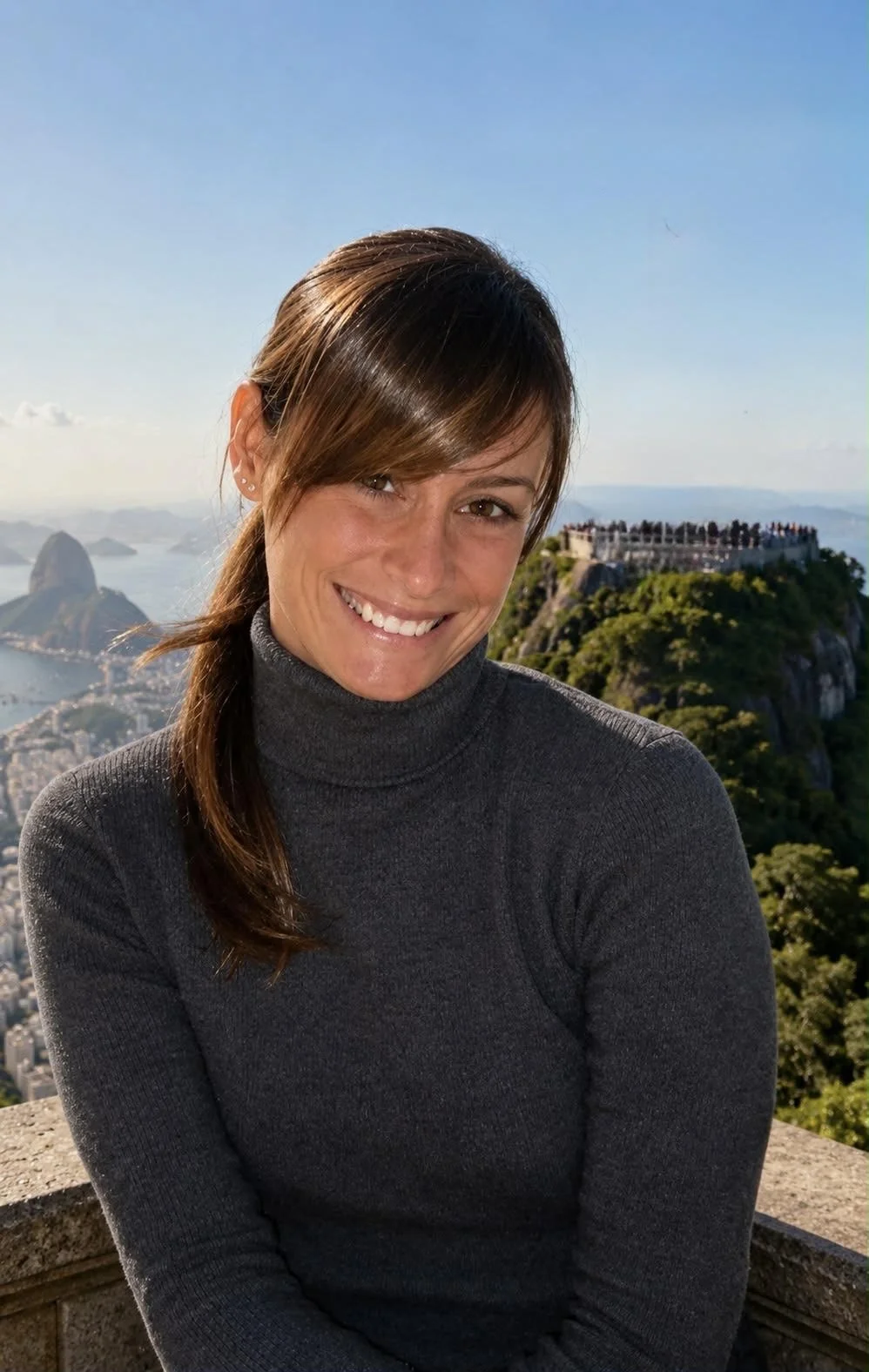
Anna Luiza Berardo is a Brazilian devoted mother of a gifted boy, and because of him, her life has changed forever. Her professional background includes Industrial Design and Marketing, and she used to work in Brazil as an Interior and Jewelry Designer.
Anna always had a visual-spatial mind, but she didn’t realize that until she started exploring Dr. Linda Silverman’s work because of her son. Linda’s work gave the missing piece to understand her own existence, and then, her son’s unique mind. Since then, she has deepened her knowledge and understanding by studying literature and participating in courses about giftedness. She is passionate about transforming spaces and lives, always willing to help others, especially other families facing similar challenges as she faces.
Anna always wanted to be a volunteer to help others, and collaborating to spread GDC’s perspectives and Dr. Linda Silverman’s studies in Brazil to keep her legacy alive is one of the most inspiring things of all. She was very proud when Linda invited her to be GDC’s official liaison in Brazil. She is promoting the GDC’s perspective to the Brazilian public, helping Brazilian families of the gifted communicate, as well as being a bridge Brazilian groups like “Flow Mentes Brilhantes” and “Mães pela Superdotação,” among others, to bring more knowledge of giftedness to Brazilian lands. To be a volunteer is a blessing. “I believe we all come into the world with a mission, and mine is to give back to the Universe what I received: Information.”

-
Director - West Coast Office
Linda Powers Leviton, M.A., MFT, is the Director of the West Coast office of the Gifted Development Center, Los Angeles, CA. She specializes in assessing, counseling and coaching gifted and creative children, adults and families. Linda has worked and written with Dr. Linda Silverman since 1974, and later trained with Dr. Annemarie Roeper. She currently uses both Gifted Qualitative Assessment (GQA) and quantitative assessments to help parents and schools better understand and advocate for their child’s educational, emotional, and social needs.
Linda’s book, Peace Within, Peace Between: Your Relationship Toolkit, applies Virginia Satir’s models. She is also an artist, taught gifted children and raised three of her own.

-
Educational Diagnostician, Dallas, TX
Dawn Kinard, M.S., Nationally Certified Educational Diagnostician, Affiliate, holds a Master's degree in Special Education from Texas A&M University, national certification as an Educational Diagnostician, as well as ESL and Special Education certificates. As an evaluator assessing students with learning disabilities in Plano, Texas, she makes recommendations for IEPs and Section 504 Plans.
For the three years Dawn lived in Denver, she was a vital part of the GDC team, testing complex cases and interacting effectively with schools on the children’s behalf. After her return to Texas, Dawn has continued to offer assessment for GDC clients in the Dallas area. Earlier in her career, Dawn spent three years teaching the gifted. In addition, she chaired the G/T admissions committee, screening and identifying students for the gifted program. As a Special Educator, she was a strong advocate for including twice-exceptional (2e) learners in the gifted program. Dawn’s specialization is identifying 2e students and working with parents and schools to develop appropriate learning plans.

-
Gifted Education Specialist
Kathi Kearney is a Gifted Education Specialist in Cumberland, Maine, where she teaches gifted students in grades K-8. She taught online courses in gifted education for the University of Colorado at Colorado Springs; published numerous articles on giftedness; was a founding member of The Columbus Group, which developed the definition of giftedness as asynchronous development; served as network chair for the Conceptual Foundations Network of NAGC; and is currently a member of NAGC's Assessment of Giftedness Special Interest Group. Areas of specialization include highly and profoundly gifted students; rurally isolated gifted students; program development; testing and assessment; and social studies education for the gifted.
-
Director of Gifted Qualitative Assessment, Northern CA
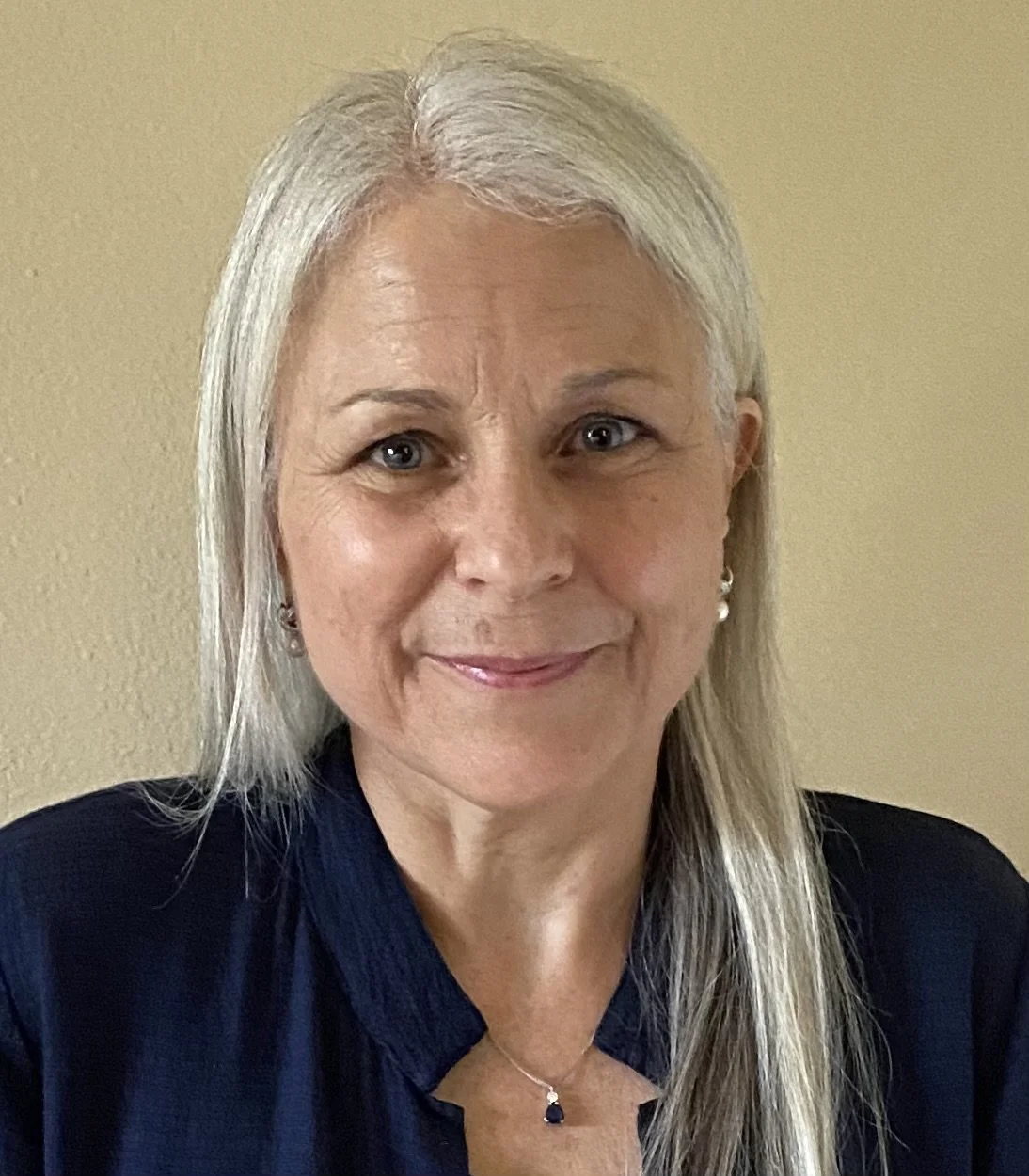
Anne Beneventi, Director of Gifted Qualitative Assessment (GQA), Northern CA, Affiliate, has focused on meeting the emotional and intellectual needs of gifted children throughout her career. She worked closely with Annemarie Roeper for over a decade and trains practitioners in Annemarie’s Method of Qualitative Assessment. She served as the Chair of the Global Awareness Network of the National Association for Gifted Children and served on the board of Gifted Homeschool Forum. Anne taught at Nueva School for the gifted, as well as co-founded 4 schools for the gifted: Kaumeya International School in Alexandria, Egypt, Roeper West School in Berkeley, CA, Helios School in Sunnyvale, CA and Tessellations School where she supports families and continues to evaluate children for admissions using GQA.
Retired Associate Directors

-
Barbara (“Bobbie”) Jackson Gilman, M.S., is a consultant, author, speaker, and a former Associate Director of Gifted Development Center in Westminster, CO. Working with gifted children and their families since 1991, she is devoted not only to identifying gifted and 2e children, but also to ensuring a rewarding education for them. She researches gifted testing patterns and assists publishers in the optimal development and interpretation of major intelligence tests for gifted children. With Dr. Dan Peters, she co-chairs the National Association for Gifted Children’s Assessments of Giftedness Special Interest Group, which brings together specialists in the assessment of gifted children to determine best practices. An award-winning author, Gilman provides a comprehensive view of advocacy in her fourth book, Gifted Minds Empowered: Advocacy to Develop Gifted Children’s Strengths (2019), which serves as the textbook for her advocacy classes for parents and teachers. Gilman was SENG’s 2015 Healthcare Professional of the Year.

-
1929-2025
The Visionary Who Co-Created GDC and ISAD
Gifted Development Center, Institute for the Study of Advanced Development, Advanced Development Journal, PG Retreat, the Visual-Spatial Identifier, the Checklist for Recognizing Twice Exceptional Children, all exist because of a remarkable woman who built all this with me: Betty Maxwell. Betty was my right hand, sounding board, wise woman, support system. Together, we envisioned and created our life’s work.
I met Betty when she enrolled in my Gifted Education Graduate Program at the University of Denver (DU). She had been a language arts teacher and taught for 15 years in a school for the gifted. A participant in a weekly Dabrowski Study Group that R. Frank Falk, Chair of the Sociology Program, and I created at DU, Betty became enthralled with Dabrowski’s theory. In 1981, we wrote a paper together for an American Psychological Association Convention in Los Angeles, “Inner Conflict as a Path to Higher Development in Women.” She used her married name then: Elizabeth Schuppin. In 1989, our article was published in the MENSA 27 Research Journal, and in 2010, it was selected for a special issue of that journal: The Best of MRJ. It was also published in 1995 in Advanced Development: A Collection of Works on Giftedness in Adults.
After she graduated, Betty moved to California to pursue certification as a Psychosynthesis Therapist. When she returned to Denver, she rejoined the Dabrowski Study Group and quickly became a leader. (For a description of the Dabrowski Study Group, see “Building Community with Frank Falk” in Advanced Development, 2025, 20, 33-50.)
In 1985, Michael Piechowski left Northwestern University, Frank and I left DU, and the fate of Dabrowski’s theory became uncertain. Betty and I decided we needed to establish an agency outside the university with a publication to allow the worldwide Dabrowski community to be able to communicate with each other. In December 1986, to keep this important theory alive, we created the Institute for the Study of Advanced Development (ISAD) and applied to IRS to become a 501(c)3 tax exempt agency. The mission of the Institute is to study advanced development in children, advanced moral and ethical development in adults, and undeveloped potential in women. Betty served as Vice-President of ISAD for nearly three decades. In the beginning, ISAD’s main activity was to produce Advanced Development, the first and only journal on adult giftedness. In 1995, Gifted Development Center (GDC) became a subsidiary of ISAD, and the Advisory Board of ISAD now oversees the activities of GDC.
With Frank and I no longer on faculty at DU, we lost our meeting place for the Dabrowski Study Group, and Betty welcomed us into her home for our meetings. Decades later, in 2014, the Dabrowski Study Group was resurrected with the founders—Frank Falk, Nancy Miller, Betty and me—once again in Betty’s home, where we met monthly until we transitioned during COVID to an online platform, so that Michael Piechowski and others could join us.
Our first volume of the journal was published in 1989. I was the Editor and Betty was the Associate Editor. Linda Greene, of Snowpeak Publishing, published Advanced Development. When Linda sold her company in 1995, the new owner did not want to publish our journal. So Betty personally purchased the rights and donated the journal to ISAD. Betty was the Guest Editor of Volume 4, in 1992, on “The Self.” The volume was dedicated to psychosynthesis and Peace Pilgrim, a moral exemplar Betty had studied. For this issue, Betty wrote, “Self as Phoenix: A Comparison of Assagioli’s and Dabrowski’s Theories.” In this article, she demonstrated how Assagioli’s psychosynthesis techniques were fruitful in the transformative development described by both theorists.
Advanced Development showcased other theories of higher human values, as well. Betty and I interviewed Jean Houston for Volume 3, in 1991, on the theme, “The Possible Human.” Betty contributed poetry to Advanced Development, including “Desert Song,” in Volume 2, and “Imminence,” in Volume 9. In 2000, she took over the role of Editor in Volume 9 on “Spirituality and Giftedness,” a position she held for over a decade, providing developmental editing for new authors, writers from other countries, and others. She was a skillful and kind writing mentor.
In 1985, I established Parents of Gifted Offspring (POGO) at the University of Denver, a support group for parents of exceptionally gifted children, that met monthly. After I left DU, Betty took over the responsibility of convening the group. In 1986, we developed ACCESS to Excellence, a network of therapists who worked with the gifted. I provided group supervision. Betty was one of the therapists in the group.
In 1989, Betty joined Gifted Development Center full time. She did everything. She was GDC’s Office Manager, Assistant Director, Dial-Log consultant to families and individuals, test administrator, senior staff member [conducting initial consultations, post-test conferences, and school staffing], counselor, author, presenter—she managed GDC for decades, spending all day every day at GDC. Betty had many counseling clients. As an examiner, she found that test administration and analysis helped fuel her deep interest in the psychological aspects of development and actualization. The children she assessed came to life in her beautifully crafted reports. Here is an example:
“Sarabeth has a rich internal life. She is creative and playful and can engage in complex storytelling for hours. She is often shy even with people she has known for some time. When she is comfortable with someone, she shows a full range of attitudes, from calm and introspective to sassy and outgoing. She loves to create art of all kinds, enjoys music, likes to sing and dance, enjoys acting out characters, builds with blocks, draws. She can turn anything into a toy. . . She can become overwhelmed by large groups, even of her own creation.”
Betty’s impact on the children and families with whom she worked was immense. As a guardian of the gifts, she was a life changer for so many clients over the next 2 decades that we made our motto, “We change lives.”
Here are nuggets from countless testimonials we received about Betty during this time:
· “Dear Betty, You are a lifesaver!!!”
· “Once again, you have ‘saved’ us.”
· “Ms. Maxwell—Our brief hour with you had a profound effect on D! He breathed huge ‘sighs’ of relief all the way home. ‘She understands’ –he said time & time again. He felt his time with you was ‘invaluable.’”
· “Our lives have changed dramatically since we returned from Denver…I thank the Heavens every day for allowing our paths to cross. I wanted you to know that you made a huge difference in the lives of our entire family. You have returned our son to us and there are not words enough to thank you.”
· “Dear Betty, You have an extraordinarily gentle touch with children.”
· “Dearest Betty, I don’t know how we would have made it through the past years without your loving council and warm concern.”
· “Last year I had a Dial-Log conference with Betty Maxwell that essentially changed my life. I still refer to it as the ‘miraculous conversation.’”
· “Dear Betty, I am so grateful to you for your incredible understanding & great words of wisdom.”
· “Dear Betty, You are an answer to my prayers.”
· “Betty, when asked what was the most fun part of the trip he said emphatically & without hesitation, ‘TESTING.’”
· “Dear Betty, your knowledge and insights helped us meet the needs of our children. We feel so blessed.”
· “Dear Betty, I purchased your ‘Teens at Risk’ tape. I found myself in tears several times.”
· “The POGO meeting last night was so important to me…reminding me that I, too, am a person with talents and needs. I leaped out of bed this morning and began attending to them with a new sense of self and inspiration. Wow.”
· “Dear Betty, Thank you for your presentation at JAGC. I knew you’d be wonderful but it turns out I’d underestimated you! It was one of the best GT presentations I’ve ever heard.”
· “You are a God-send & an angel!! You changed our children’s lives and they are extremely grateful!!!”
· “WONDERFUL, FABULOUS, LIFE-SAVING…FINALLY WE FOUND SOMEONE WHO UNDERSTOOD THIS CHILD!”
· “To say that I traveled home with a different child than the one I traveled to Denver with would not be far from the truth.”
· “Dear Betty, I just wanted to take a moment to tell you how happy K seemed after the conference. She sang all the way back to the cabin which is about a two hour drive.”
· “I am still reading the article in Advanced Development, but with each article I read, I keep wanting to shout, ‘THANK YOU!!!!’ over and over again.”
· “I had a phone consultation with Betty Maxwell who informed that she believed that A was a visual-spatial learner who had vision issues and that I should have her examined by a developmental optometrist. We were amazed when Betty Maxwell’s assessment of A was proven correct. Not just in the ball part correct, but she hit exactly.”
· “Here’s a PS to Betty Maxwell. We will forever be indebted to you for helping us to restore that spark back to his life. We could not have done it without you. A thousand thanks!”
· “Betty, You are BRILLIANT!”
· “Betty, I just wanted to thank you for yesterday’s conference call. I thank God for my good fortune in finding you.”
· “Dear Betty, I feel calmer and better understand the intensity of my feelings and reactions as never before. Your timing was a blessing.
· “Dear Betty, I want to thank you so very much for helping J and I yesterday. J opened up like a cloud full of rain and poured herself out in that session—something that seldom happens. Seeing you was the best thing we could have done!”
In 1990, Michael Piechowski, Frank Falk, Nancy Miller, Betty and I were reunited by Dr. Jane Piirto to Ashland University in Ashland, Ohio, to conduct training workshops on rating the Dabrowski questionnaires. Betty did psychosynthesis activities that I found remarkably revealing of my own development. Between 1991 and 2000, Betty created a newsletter for all those who attended our training workshops and our Dabrowski Study Group at DU. During this time, Betty was also an early member of The Columbus Group that created the definition of giftedness as asynchronous development.
In 1992, Betty and I co-led a Visual-Spatial Learner study group that birthed the Visual-Spatial Identifier, and resulted in my book, Upside-Down Brilliance: The Visual-Spatial Learner, to which Betty contributed Reading Techniques for VSLs, Reading Readiness for Visual-Spatial Learners, Whole-Word Reading Instruction, Appendix A: The Visual-Spatial Learner in School, Appendix B: Resources for Visual-Spatial Learners, major concepts and editing. Over a six-year period, Betty and Crystal Punch wrote Picture it! Teaching Visual-Spatial Learners. Betty served as the Director of Visual-Spatial Resource, developing and maintaining a website, providing resources and services for parents.
In 1995, Betty was invited to contribute the second chapter of Serving Gifted and Talented Students, edited by Judy Genshaft, Marlene Bireley, and Constance Hollinger, on “The Changing Developmental Needs of the Gifted: Birth to Maturity.” She presented at the National Association for Gifted Children, the International Dabrowski Congress, and at many local gifted conferences. She was a regular presence at PG Retreat, a summer retreat for families of exceptionally gifted children, which grew out of POGO. PG Retreat now offers a scholarship in Betty’s name to honor her.
In 2010, Betty and I created the Checklist for Recognizing Twice Exceptional Children, revised in 2019 with the assistance of Bobbie Gilman and Deirdre Lovecky. It has been shared in many national and international presentations; translated into Italian and Japanese and posted in these countries; reprinted in Scott Barry Kaufman’s book, Twice Exceptional (pp. 39-44); reprinted in The Asset, a publication on dyslexia; and adapted for Parenting for High Potential.
With Annemarie Roeper, Betty created a list of qualities of gifted adults. In 2010, Annemarie posted this list on her website:
· Sensitivity
· Remembering insults forever
· Doing three things at once
· Doing the outwardly foolish thing, taking up lost causes
· Psychic
· Interest in life and death
· Driven to comprehend; complexity of understanding
· Wanting to know the reasons and origins of things
· Asks, “What is my purpose?”
· Naive
· Recognition of falsity; no “trophy friends”
· Complexifying solutions
· Finding non-conventional solutions, originality
· Not motivated by extrinsic awards, discomfort with praise
· Passionate
· Undeterred by conventional expectations
· Self taught, non-sequential learning
· Need for precision
· Recognition of unfairness, strong sense of justice
· Making intuitive leaps, making logical projections
· Noticing what no one else does
· Manipulation and bargaining
· Make and follow their own plans, less teachable
· Devise practical experiments to see “What if?”
· Saying, “Actually”
· Large vocabulary, love of big words
· Delayed in toilet instruction, difficulty in separating from mom
· Early sense of responsibility
· Not wanting to grow up and face the world
· Less physical risk-taking
· Zipping through Piagetian stages
· Friends of both genders, later sexual interests
· Abstract thinkers before having the emotional ability to handle it
· Symbolic thinkers
· Can animate their fears, powerful emotional imagination
A woman of boundless creativity, Betty was always creating handouts for parents. such as:
· “Hocus, Pocus, Hyperfocus!”
· “About Spatial Learners”
· “Sharing Test Results with Your Child”
· “Are You Visual-Spatial?”
· “Is Your Child Visual-Spatial?”
· “Activities to Enhance Visual Memory and Visualization”
· “Are You an Undetected Gifted Adult?
Betty taught me the word, “perspicacity.” It fit her perfectly. She was wise and kind, and all who interacted with her felt calmer in her presence. Betty was very humble; she never broadcast her achievements. In this tribute, I endeavored to bring together her accomplishments, because there is no other record of all she contributed. I also want to acknowledge Betty’s generosity. In addition to saving Advanced Development with her own money, she also saved Gifted Development Center. She worked for an entire year as the Office Manager without paying herself a salary, making sure everyone else got paid and that we had a roof over our heads. Without Betty’s financial support, we would have had to abandon the Center.
Thank you, Betty, for all the goodness you gave to me and everyone who graced Gifted Development Center. It was a blessing to have you in my life for 45 years.
Betty Maxwell
1929-2025
The Visionary Who Co-Created GDC and ISAD
Gifted Development Center, Institute for the Study of Advanced Development, Advanced Development Journal, PG Retreat, the Visual-Spatial Identifier, the Checklist for Recognizing Twice Exceptional Children, all exist because of a remarkable woman who built all this with me: Betty Maxwell. Betty was my right hand, sounding board, wise woman, support system. Together, we envisioned and created our life’s work.
I met Betty when she enrolled in my Gifted Education Graduate Program at the University of Denver (DU). She had been a language arts teacher and taught for 15 years in a school for the gifted. A participant in a weekly Dabrowski Study Group that R. Frank Falk, Chair of the Sociology Program, and I created at DU, Betty became enthralled with Dabrowski’s theory. In 1981, we wrote a paper together for an American Psychological Association Convention in Los Angeles, “Inner Conflict as a Path to Higher Development in Women.” She used her married name then: Elizabeth Schuppin. In 1989, our article was published in the MENSA 27 Research Journal, and in 2010, it was selected for a special issue of that journal: The Best of MRJ. It was also published in 1995 in Advanced Development: A Collection of Works on Giftedness in Adults.
After she graduated, Betty moved to California to pursue certification as a Psychosynthesis Therapist. When she returned to Denver, she rejoined the Dabrowski Study Group and quickly became a leader. (For a description of the Dabrowski Study Group, see “Building Community with Frank Falk” in Advanced Development, 2025, 20, 33-50.)
In 1985, Michael Piechowski left Northwestern University, Frank and I left DU, and the fate of Dabrowski’s theory became uncertain. Betty and I decided we needed to establish an agency outside the university with a publication to allow the worldwide Dabrowski community to be able to communicate with each other. In December 1986, to keep this important theory alive, we created the Institute for the Study of Advanced Development (ISAD) and applied to IRS to become a 501(c)3 tax exempt agency. The mission of the Institute is to study advanced development in children, advanced moral and ethical development in adults, and undeveloped potential in women. Betty served as Vice-President of ISAD for nearly three decades. In the beginning, ISAD’s main activity was to produce Advanced Development, the first and only journal on adult giftedness. In 1995, Gifted Development Center (GDC) became a subsidiary of ISAD, and the Advisory Board of ISAD now oversees the activities of GDC.
With Frank and I no longer on faculty at DU, we lost our meeting place for the Dabrowski Study Group, and Betty welcomed us into her home for our meetings. Decades later, in 2014, the Dabrowski Study Group was resurrected with the founders—Frank Falk, Nancy Miller, Betty and me—once again in Betty’s home, where we met monthly until we transitioned during COVID to an online platform, so that Michael Piechowski and others could join us.
Our first volume of the journal was published in 1989. I was the Editor and Betty was the Associate Editor. Linda Greene, of Snowpeak Publishing, published Advanced Development. When Linda sold her company in 1995, the new owner did not want to publish our journal. So Betty personally purchased the rights and donated the journal to ISAD. Betty was the Guest Editor of Volume 4, in 1992, on “The Self.” The volume was dedicated to psychosynthesis and Peace Pilgrim, a moral exemplar Betty had studied. For this issue, Betty wrote, “Self as Phoenix: A Comparison of Assagioli’s and Dabrowski’s Theories.” In this article, she demonstrated how Assagioli’s psychosynthesis techniques were fruitful in the transformative development described by both theorists.
Advanced Development showcased other theories of higher human values, as well. Betty and I interviewed Jean Houston for Volume 3, in 1991, on the theme, “The Possible Human.” Betty contributed poetry to Advanced Development, including “Desert Song,” in Volume 2, and “Imminence,” in Volume 9. In 2000, she took over the role of Editor in Volume 9 on “Spirituality and Giftedness,” a position she held for over a decade, providing developmental editing for new authors, writers from other countries, and others. She was a skillful and kind writing mentor.
In 1985, I established Parents of Gifted Offspring (POGO) at the University of Denver, a support group for parents of exceptionally gifted children, that met monthly. After I left DU, Betty took over the responsibility of convening the group. In 1986, we developed ACCESS to Excellence, a network of therapists who worked with the gifted. I provided group supervision. Betty was one of the therapists in the group.
In 1989, Betty joined Gifted Development Center full time. She did everything. She was GDC’s Office Manager, Assistant Director, Dial-Log consultant to families and individuals, test administrator, senior staff member [conducting initial consultations, post-test conferences, and school staffing], counselor, author, presenter—she managed GDC for decades, spending all day every day at GDC. Betty had many counseling clients. As an examiner, she found that test administration and analysis helped fuel her deep interest in the psychological aspects of development and actualization. The children she assessed came to life in her beautifully crafted reports. Here is an example:
“Sarabeth has a rich internal life. She is creative and playful and can engage in complex storytelling for hours. She is often shy even with people she has known for some time. When she is comfortable with someone, she shows a full range of attitudes, from calm and introspective to sassy and outgoing. She loves to create art of all kinds, enjoys music, likes to sing and dance, enjoys acting out characters, builds with blocks, draws. She can turn anything into a toy. . . She can become overwhelmed by large groups, even of her own creation.”
Betty’s impact on the children and families with whom she worked was immense. As a guardian of the gifts, she was a life changer for so many clients over the next 2 decades that we made our motto, “We change lives.”
Here are nuggets from countless testimonials we received about Betty during this time:
· “Dear Betty, You are a lifesaver!!!”
· “Once again, you have ‘saved’ us.”
· “Ms. Maxwell—Our brief hour with you had a profound effect on D! He breathed huge ‘sighs’ of relief all the way home. ‘She understands’ –he said time & time again. He felt his time with you was ‘invaluable.’”
· “Our lives have changed dramatically since we returned from Denver…I thank the Heavens every day for allowing our paths to cross. I wanted you to know that you made a huge difference in the lives of our entire family. You have returned our son to us and there are not words enough to thank you.”
· “Dear Betty, You have an extraordinarily gentle touch with children.”
· “Dearest Betty, I don’t know how we would have made it through the past years without your loving council and warm concern.”
· “Last year I had a Dial-Log conference with Betty Maxwell that essentially changed my life. I still refer to it as the ‘miraculous conversation.’”
· “Dear Betty, I am so grateful to you for your incredible understanding & great words of wisdom.”
· “Dear Betty, You are an answer to my prayers.”
· “Betty, when asked what was the most fun part of the trip he said emphatically & without hesitation, ‘TESTING.’”
· “Dear Betty, your knowledge and insights helped us meet the needs of our children. We feel so blessed.”
· “Dear Betty, I purchased your ‘Teens at Risk’ tape. I found myself in tears several times.”
· “The POGO meeting last night was so important to me…reminding me that I, too, am a person with talents and needs. I leaped out of bed this morning and began attending to them with a new sense of self and inspiration. Wow.”
· “Dear Betty, Thank you for your presentation at JAGC. I knew you’d be wonderful but it turns out I’d underestimated you! It was one of the best GT presentations I’ve ever heard.”
· “You are a God-send & an angel!! You changed our children’s lives and they are extremely grateful!!!”
· “WONDERFUL, FABULOUS, LIFE-SAVING…FINALLY WE FOUND SOMEONE WHO UNDERSTOOD THIS CHILD!”
· “To say that I traveled home with a different child than the one I traveled to Denver with would not be far from the truth.”
· “Dear Betty, I just wanted to take a moment to tell you how happy K seemed after the conference. She sang all the way back to the cabin which is about a two hour drive.”
· “I am still reading the article in Advanced Development, but with each article I read, I keep wanting to shout, ‘THANK YOU!!!!’ over and over again.”
· “I had a phone consultation with Betty Maxwell who informed that she believed that A was a visual-spatial learner who had vision issues and that I should have her examined by a developmental optometrist. We were amazed when Betty Maxwell’s assessment of A was proven correct. Not just in the ball part correct, but she hit exactly.”
· “Here’s a PS to Betty Maxwell. We will forever be indebted to you for helping us to restore that spark back to his life. We could not have done it without you. A thousand thanks!”
· “Betty, You are BRILLIANT!”
· “Betty, I just wanted to thank you for yesterday’s conference call. I thank God for my good fortune in finding you.”
· “Dear Betty, I feel calmer and better understand the intensity of my feelings and reactions as never before. Your timing was a blessing.
· “Dear Betty, I want to thank you so very much for helping J and I yesterday. J opened up like a cloud full of rain and poured herself out in that session—something that seldom happens. Seeing you was the best thing we could have done!”
In 1990, Michael Piechowski, Frank Falk, Nancy Miller, Betty and I were reunited by Dr. Jane Piirto to Ashland University in Ashland, Ohio, to conduct training workshops on rating the Dabrowski questionnaires. Betty did psychosynthesis activities that I found remarkably revealing of my own development. Between 1991 and 2000, Betty created a newsletter for all those who attended our training workshops and our Dabrowski Study Group at DU. During this time, Betty was also an early member of The Columbus Group that created the definition of giftedness as asynchronous development.
In 1992, Betty and I co-led a Visual-Spatial Learner study group that birthed the Visual-Spatial Identifier, and resulted in my book, Upside-Down Brilliance: The Visual-Spatial Learner, to which Betty contributed Reading Techniques for VSLs, Reading Readiness for Visual-Spatial Learners, Whole-Word Reading Instruction, Appendix A: The Visual-Spatial Learner in School, Appendix B: Resources for Visual-Spatial Learners, major concepts and editing. Over a six-year period, Betty and Crystal Punch wrote Picture it! Teaching Visual-Spatial Learners. Betty served as the Director of Visual-Spatial Resource, developing and maintaining a website, providing resources and services for parents.
In 1995, Betty was invited to contribute the second chapter of Serving Gifted and Talented Students, edited by Judy Genshaft, Marlene Bireley, and Constance Hollinger, on “The Changing Developmental Needs of the Gifted: Birth to Maturity.” She presented at the National Association for Gifted Children, the International Dabrowski Congress, and at many local gifted conferences. She was a regular presence at PG Retreat, a summer retreat for families of exceptionally gifted children, which grew out of POGO. PG Retreat now offers a scholarship in Betty’s name to honor her.
In 2010, Betty and I created the Checklist for Recognizing Twice Exceptional Children, revised in 2019 with the assistance of Bobbie Gilman and Deirdre Lovecky. It has been shared in many national and international presentations; translated into Italian and Japanese and posted in these countries; reprinted in Scott Barry Kaufman’s book, Twice Exceptional (pp. 39-44); reprinted in The Asset, a publication on dyslexia; and adapted for Parenting for High Potential.
With Annemarie Roeper, Betty created a list of qualities of gifted adults. In 2010, Annemarie posted this list on her website:
· Sensitivity
· Remembering insults forever
· Doing three things at once
· Doing the outwardly foolish thing, taking up lost causes
· Psychic
· Interest in life and death
· Driven to comprehend; complexity of understanding
· Wanting to know the reasons and origins of things
· Asks, “What is my purpose?”
· Naive
· Recognition of falsity; no “trophy friends”
· Complexifying solutions
· Finding non-conventional solutions, originality
· Not motivated by extrinsic awards, discomfort with praise
· Passionate
· Undeterred by conventional expectations
· Self taught, non-sequential learning
· Need for precision
· Recognition of unfairness, strong sense of justice
· Making intuitive leaps, making logical projections
· Noticing what no one else does
· Manipulation and bargaining
· Make and follow their own plans, less teachable
· Devise practical experiments to see “What if?”
· Saying, “Actually”
· Large vocabulary, love of big words
· Delayed in toilet instruction, difficulty in separating from mom
· Early sense of responsibility
· Not wanting to grow up and face the world
· Less physical risk-taking
· Zipping through Piagetian stages
· Friends of both genders, later sexual interests
· Abstract thinkers before having the emotional ability to handle it
· Symbolic thinkers
· Can animate their fears, powerful emotional imagination
A woman of boundless creativity, Betty was always creating handouts for parents. such as:
· “Hocus, Pocus, Hyperfocus!”
· “About Spatial Learners”
· “Sharing Test Results with Your Child”
· “Are You Visual-Spatial?”
· “Is Your Child Visual-Spatial?”
· “Activities to Enhance Visual Memory and Visualization”
· “Are You an Undetected Gifted Adult?
Betty taught me the word, “perspicacity.” It fit her perfectly. She was wise and kind, and all who interacted with her felt calmer in her presence. Betty was very humble; she never broadcast her achievements. In this tribute, I endeavored to bring together her accomplishments, because there is no other record of all she contributed. I also want to acknowledge Betty’s generosity. In addition to saving Advanced Development with her own money, she also saved Gifted Development Center. She worked for an entire year as the Office Manager without paying herself a salary, making sure everyone else got paid and that we had a roof over our heads. Without Betty’s financial support, we would have had to abandon the Center.
Thank you, Betty, for all the goodness you gave to me and everyone who graced Gifted Development Center. It was a blessing to have you in my life for 45 years.
Kindred Spirits
Crystal Punch
I first met Elizabeth Maxwell at Gifted Development Center in Denver. At the time, my son was nine years old—today he is thirty. Elizabeth, along with Linda Silverman, conducted testing that gave me something I didn’t even know I needed: a new way of seeing my son. Their insights opened doors of possibility rather than closing them, and that moment changed the course of our lives.
But what I didn’t know then was that meeting Elizabeth—Betty—would also change mine.
I began meeting with Betty simply to get to know her better. We discovered shared interests right away. She was exploring the Davis Dyslexia method, which I was certified in, and I was drawn to the visual-spatial aspects of dyslexia. Our conversations unfolded over walks and lunches, and they never felt rushed. Betty was easy to talk to—deeply present, thoughtful, and kind. She had a rare way of listening fully, and she never offered advice unless you were truly asking for it.
Betty loved to read. Her apartment was filled with books—stacks and shelves everywhere, each one a reflection of her endless curiosity. She read everything she could get her hands on, from astrophysics to witchcraft. Sometimes I would take pictures of her bookcases just to remember the titles for later. She would underline passages that struck her and write questions in the margins. Reading her books felt like reading her inner thoughts, and I treasured that glimpse into her mind.
Before long, the idea of writing a book together began to take shape. We both cared deeply about helping visual-spatial learners and wanted to offer teachers a kind of roadmap. The book took over six years to write, with many starts and stops along the way. But through it all, it was the conversations that mattered most.
Betty was a beautiful writer. Where my voice was more direct—telling people what they should do—hers gently offered possibilities. We spent time talking about ego, about how to guide without insisting, how to invite rather than instruct. She was endlessly patient with the process, and with me. Together, we filled reams of paper with notes, always finding our way back to where we had left off.
Betty would come to my house for our writing sessions, driving her old blue car—sometimes parked just slightly up on the sidewalk. She always arrived looking perfectly put together, with matching hats or handbags that reflected her quiet sense of style. We would share a light lunch and, when the weather allowed, sit outside and talk before beginning our work.
In her 90s, when she was no longer able to drive, I would go to her. Her home had a lovely veranda, lovingly planted by her daughter Karen, overlooking green fields. It was peaceful there—just like Betty.
Betty loved to visit Red Rocks and we would often drive there and set up chairs to sit outside the car and watch birds and admire the landscape. She said she felt a spiritual connection to this place. We could be quiet in each other’s presence and just watch and listen. My favorite picture of Betty is in this sacred place.
What I will remember most is not just what Betty did, but who she was. Curious. Thoughtful. Patient. A listener. A learner. A woman who gave her full attention and her full heart to the people and ideas she cared about.
I am so grateful for the years we shared, for the conversations, for the work we created together, and for her friendship. She expanded my thinking, softened my voice, and enriched my life in ways I will carry with me always.
I will miss her deeply.